
Chlorohexanone, also known as 6-chloro-2-hexanone, is a chemical compound characterized by the presence of a ketone functional group (-C=O) attached to a six-carbon chain with a chlorine atom at the 6th position. Here's a detailed description:
Chemical Formula: C6H11ClO
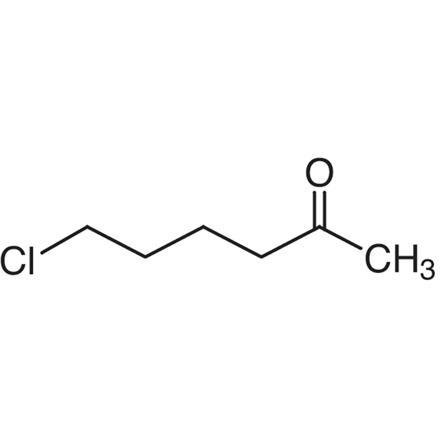
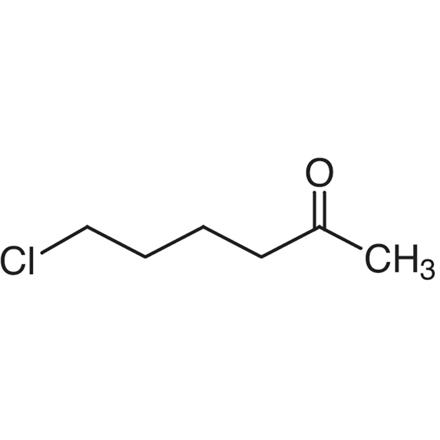
IUPAC Name: 6-chloro-2-hexanone
Molecular Structure: The molecule consists of a six-carbon chain with a ketone group (C=O) at the second carbon atom and a chlorine atom attached to the sixth carbon atom.
Physical Properties:
Appearance: Chlorohexanone is typically a colorless to pale yellow liquid.
Odor: It has a pungent odor.
Molecular Weight: Approximately 128.61 g/mol.
Melting Point: Varies depending on isomeric form and purity.
Boiling Point: Varies depending on isomeric form and purity.
Solubility: It is sparingly soluble in water but soluble in organic solvents such as ethanol, acetone, and ether.
Chemical Properties:
Functional Group: Ketone (-C=O) and Chlorine (-Cl) groups.
Reactivity: Can undergo typical reactions of ketones, such as nucleophilic addition and oxidation reactions.
Synthesis:
Chlorohexanone can be synthesized through the chlorination of hexanone using appropriate chlorinating agents and conditions.
Uses:
It serves as an intermediate in organic synthesis, particularly in the production of pharmaceuticals, agrochemicals, and fine chemicals.
It can also function as a solvent in various chemical processes.
Safety:
Proper safety precautions should be followed when handling chlorohexanone, including the use of personal protective equipment (PPE) and working in a well-ventilated area to minimize exposure.
Keywords